

The electrical grid of tomorrow will be flexible and self-healing
A smart electrical grid has the potential to play a key role in the effort to lower energy costs for consumers, achieve energy independence and reduce greenhouse gas emissions. How can all of this be realised and what can government do to ensure such a grid can be made a reality? Dr Richard Charnah explains.
|
|
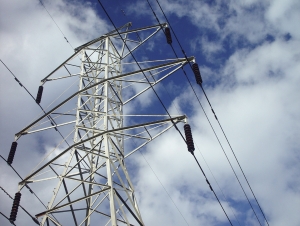
Firstly, it's important to clarify what is meant by a smart electrical grid; also referred to as a smart grid. It is an electricity transmission and distribution system that is adapted to the changing generation and consumption landscape, enabling it to cope with new challenges arising from market liberalisation, increasing penetration of renewable energy sources and technical developments. From various forums and articles in the media, it is apparent that the term 'smart grids' is used by some interchangeably with smart metering. A smart meter initiative will continue to play a role in helping to deliver a smart electrical grid but it is not a magic bullet - it is only one piece of the jigsaw. The grid of tomorrow will need to be flexible, accessible, reliable and economical. Our approach to it will need to include superior simulation tools; advanced communications, metering and business systems. We shall also make use of innovative power electronics to improve quality of supply, while next generation network equipment and technologies will have to provide increased and bi-directional, power transfer and reduced energy losses.
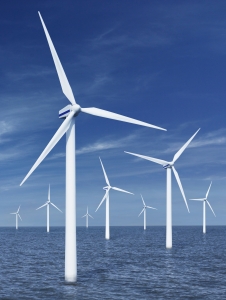
There are a number of key challenges that still need to be addressed in order to ensure that a smarter grid can be made a reality - for instance monitoring and control systems to help assure the stability of the system. The UK has the potential for being a major player in renewable energy generation because of the wind energy (and other) opportunities available in the North Sea. An important issue then is not just how to generate the power, but rather how we can ensure that the power will get to where it is needed. The grid of tomorrow will need to have a high degree of flexibility and to be self-healing and reconfigurable. Power electronic technologies such as HVDC (High Voltage Direct Current) transmission and Flexible Alternating Current Transmission System (FACTS) devices will help to address this challenge and allow wind farms to connect to the grid in a more flexible way.
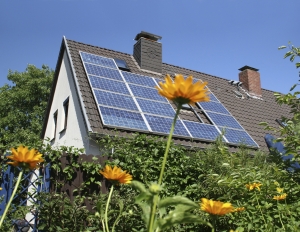
It's also important to note that, with a high proportion of (intermittent) renewable generation, situations will occur where more or less power can be generated than actually needed by consumers, which raises the important question: are we equipped to store surplus (green) energy for release when required? Today's answer would be no! This challenge of energy storage will of course be heightened with the growth of micro-generation technologies, possibly including hydroelectric plants and heat pumps, and the possibility of a massive deployment of electric vehicles, which could appear as a load and as storage. This will also call for bi-directional flow of power in the grid. |
How can government make a difference
There will be parts of the network that will need to be upgraded or renewed and new lines/cables will also need to be installed, so making the grid smarter will be an evolutionary process - no-one is suggesting that a brand new grid be built. Government can positively contribute by promoting the field-demonstration of new technologies and supporting the communication between all grid stakeholders including policy makers, regulators, network operators, generators, developers and equipment and technology providers. Introducing a UK-specific Forum for smart grids could be one way of bringing key stakeholders together to understand more clearly the imminent challenges and to help decision making processes in order to ensure the necessary actions are taken. President Obama's recent commitment to invest nearly $4billion to support the efforts of modernising the US electrical grid is a bold move and clearly demonstrates his commitment to making smart grids a reality. With the long awaited energy Government White Paper due out soon, it will be interesting to see the UK government's interpretation of the challenges we face and what it proposes in order to bring us up to speed.
Dr Richard Charnah is Technology Director at AREVA T&D, Stafford, Staffs, UK. www.areva-td.com
========================================================
 |
||
================= ยูทุปของ 9engineer ,com ===================
คลิปที่น่าสนใจจัดทำโดย 9engineer.com ภายใต้ชื่อช่องTechnology talk Channel
1. วงจรและวิธีการสตาร์ทแบบไดเร็คออนไลน์ DOL
2. วงจรควรคุมการกลับทางหมุน
3. วงจรและวิธีการสตาร์ทแบบสตาร์ เดลต้า Y-D Starter
4. การสตาร์แบบออโตทรานส์ฟอร์เมอร์ Auto transformer starter
5. การต่อขดลวดมอเตอร์ อย่างไรไม่ให้เกิดการใหม้หรือเสียหาย
6. การเช็ตโอเวอร์โหลดรีเลย์
7.การเช็ตโอเวอร์โหลดรีเลย์กับมอเตอร์ที่มีเซอร์วิสแฟคเตอร์
8.รีเลย์กับคนแทคเตอร์ต่างกันอย่างไร
9.อื่นๆ
**** นายเอ็นจิเนียร์ขอสงวนสิทธิ์รับรองความถูกต้อง โปรดใช้วิจารณญาณในการรับข่าวสารข้อมูล










|
|